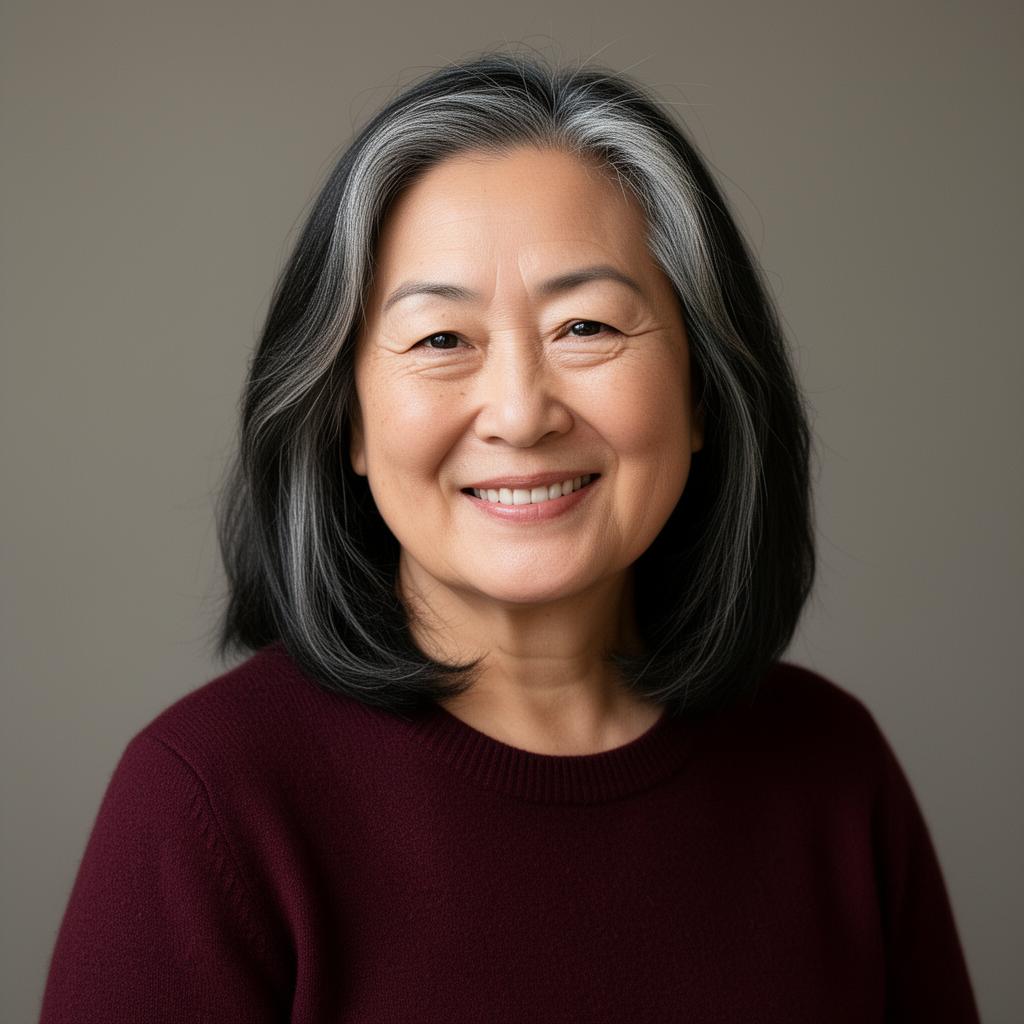
Susan spent twenty years inside hospital systems before any of them were her own. She was a healthcare administrator, the kind of person who reads quality reports for fun, who knows the difference between a denial and an appeal, who can name every department on every floor. She had spent a career trying to make the system work better for the people inside it. She did not expect, at fifty-one, to become one of them.
The first appointment, she says, was disorienting. She knew the building. She knew the language. And yet, sitting in the gown on the table, she suddenly understood, in a way no spreadsheet had ever taught her, what it felt like to be the patient instead of the planner. The waiting was longer than she remembered. The small unkindnesses landed harder. The good moments — a nurse who explained, a doctor who sat down — felt enormous.
She kept working through most of her treatment, partly because she wanted to and partly because the structure of it helped. But she also started writing — long, careful emails to the leadership of her own hospital, describing what was working and what wasn't from the other side of the curtain. To their credit, they read them. To her surprise, some things changed.
Susan is in remission now. She has cut back her hours and started consulting with patient advocacy groups in three states. She tells her clients that healthcare is a system, but patients are people, and the bridge between them is the work of her life now. She means it. She has the receipts.