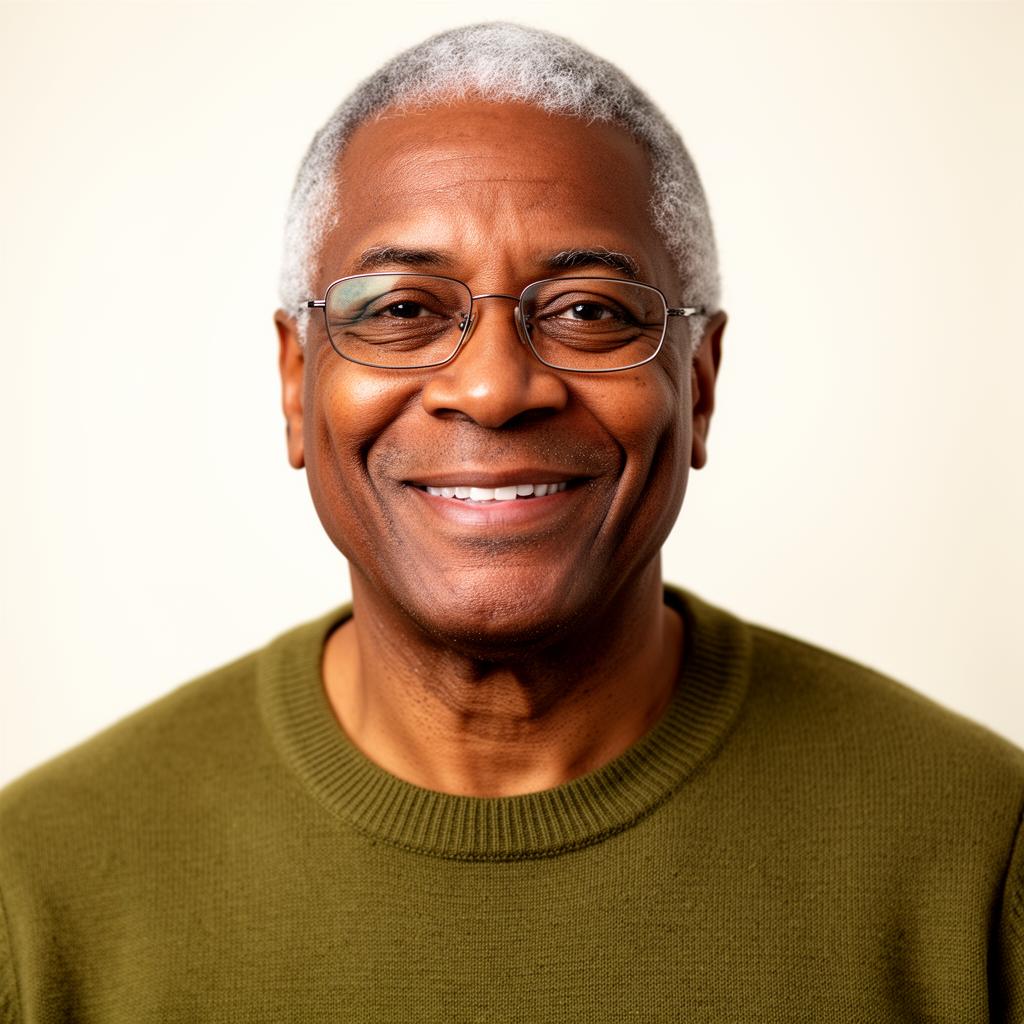
Richard has lived in the same apartment building in his neighborhood for twenty-six years. He knows the kids on every floor. He knows whose grandmother is sick, whose father lost his job, whose teenager is up to something they shouldn't be. He coaches a youth basketball league on Saturday mornings and has done so since before some of his current players were born.
When he got sick, he didn't tell anyone for nearly a month. He kept showing up to practice. He kept making the rounds at the building. He told himself he was protecting the kids, but really, he says now, he was protecting himself from the look on their faces. He had watched his own father get sick when he was eleven. He knew exactly what that look was.
The kids found out anyway, the way kids do. And what surprised him was that the look he had been afraid of never came. They asked questions. They drew him cards. One of them, a quiet ten-year-old who almost never spoke at practice, brought him a book about a basketball player who had survived something similar. Richard kept that book on his nightstand through the worst weeks of treatment.
He still coaches. His voice gives out sooner than it used to, and his knees are slower, and he runs the drills sitting down on the bad days. He tells his players what he tells himself: you don't get to skip the hard parts, but you don't have to walk through them alone. He believes this is the most important thing he has ever taught them.